
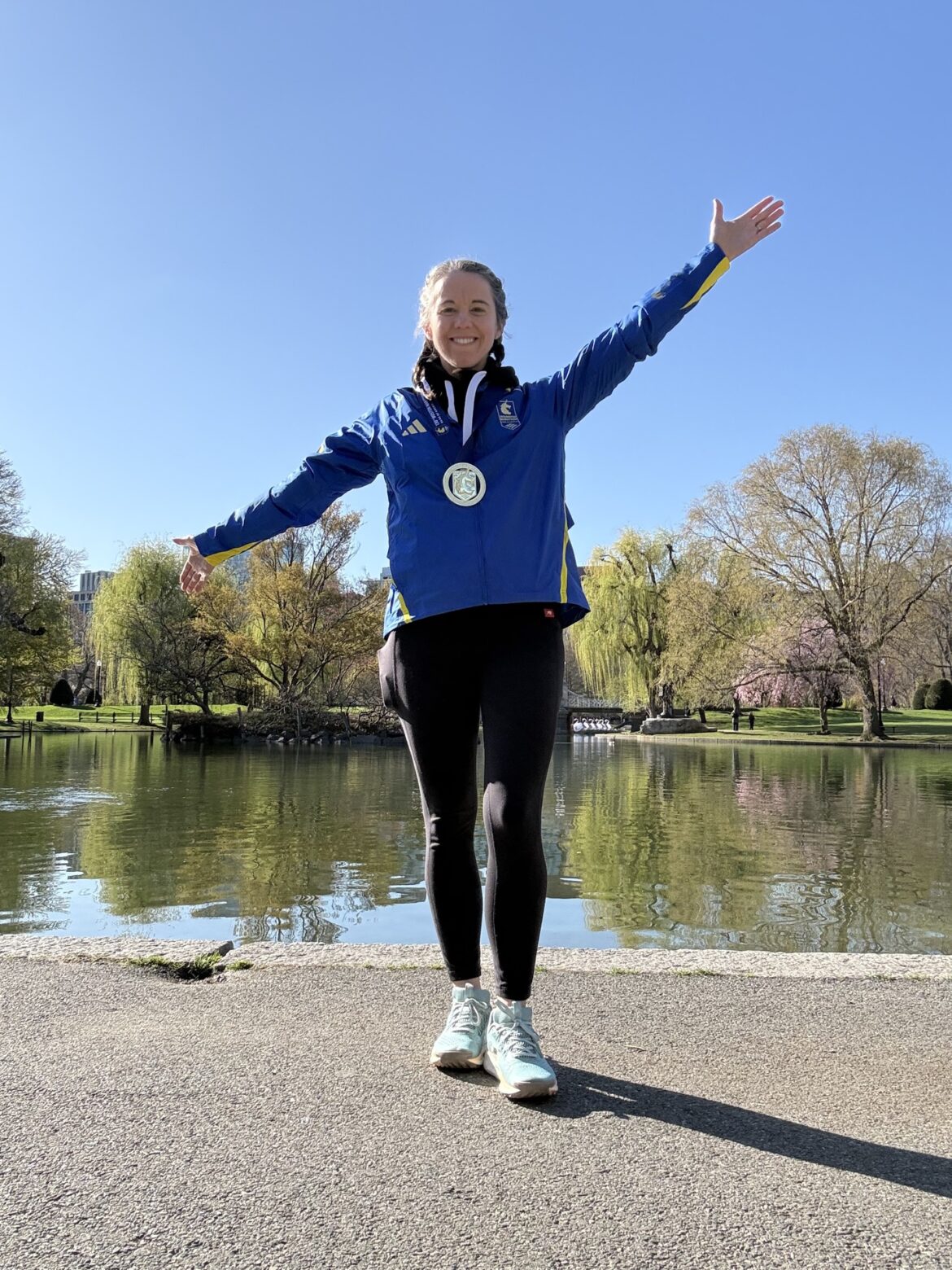
I did not qualify for the Boston Marathon.
Every time I mention the Boston Marathon for the rest of my life, I will throw out that disclaimer first. I have so much respect for the runners who have dedicated their time, energy and body to the Herculean feat of running a sub-Boston-Qualifying-time to earn their place on that starting line. To share the course with runners of this caliber was an honor and a privilege.
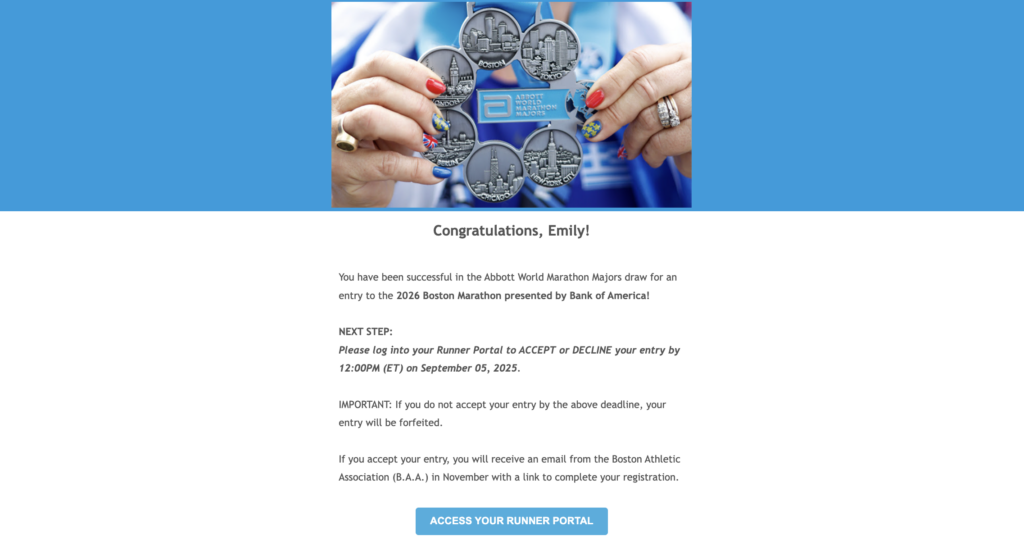
I got into the Boston Marathon by luck. I won a coveted Abbott World Marathon Major’s special lottery drawing, and would be running for my Six Star. More on that in the next section.
All runners who do not qualify on time — including lottery winners, charity runners, and gifted/corporate sponsored runners — are put in the last wave. In 2026, there was about 5,000 of us. (Source: Total field was about 30,000 and 24,362 of those were time qualifiers.) In this post, I’m going to share what it was like to run the Boston Marathon from the last wave, aka Orange Wave, aka Wave 6, aka the “back of the pack.”
If you’re still here, I’d love to share my race experience with you and discuss what it was like to experience Boston as a non-qualifier. We’ll talk about getting to race as a Wave 6-er, the crowded/chaotic first few miles, and what you can expect from crowds along the course later in the day. I’ll even share how I processed some of my feelings about whether I “belonged” there, and of course, how I navigated The Jacket.
If you’re running Boston as a non-qualifier, this post is for you.
AbbottWMM Boston Lottery
Let’s rewind just a second and address how I got in. Any time I have mentioned that I am a lottery winner, people are aghast. “What lottery can you enter for Boston?!” they say.
The Boston Marathon is one of the Abbott World Marathon Majors. The AbbottWMM program offers special race draws for runners who are working on their Six Star Journey. Runners who have run three or more majors, are eligible to enter the lotteries for guaranteed entry for majors they haven’t yet run. You can learn all about the Abbott Race Draws here.
The Abbott drawing for the Boston Marathon is highly elusive. It is open for runners with 4, 5 or 6 stars (with the Sydney addition, there are now 7 Majors.) According to an ad in the Boston Marathon Program, there are over 15,000 runners with 1 star remaining, and I’d venture to guess the bulk of those are waiting for Boston. Add to that at least as many with 4 stars, and you can assume the lottery entry numbers are high.
The AbbottWMM race draw has only 150 entries to award. Somehow, I was one of them.
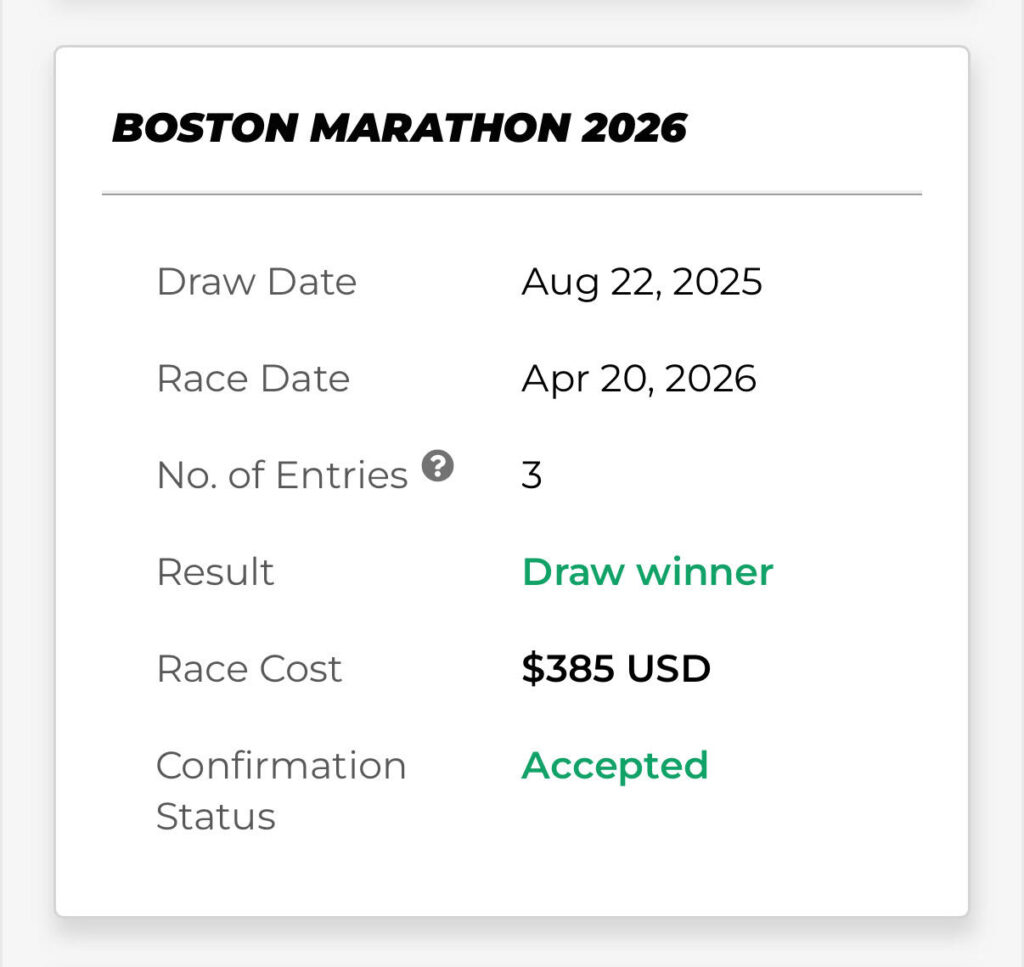
Note: Eligible runners can earn extra entries to the drawing by running half marathons for the Road to the Majors series. This is a paid, virtual race. I completed two of these the year I won. So maybe that helped?
Preparing for the Boston Marathon as a Non-Qualifier
I struggled with running Boston as a Non-Qualifier. I have always put this race on a pedestal. It was a race for the best of the best. You earned your way to that starting line. I swore I’d never run it unless I qualified.
… Until I had the chance to.
I had a guaranteed entry to the Boston Marathon just sitting in my pocket. Was I going to let pride take that away from me? If I didn’t run, someone else who didn’t qualify would happily take my place. I quietly registered and didn’t tell a soul.
Right then and there, I decided to train my butt off. If I couldn’t earn my place at the start, I was going to earn my place at the finish. I was only going to tell people that I ran the Boston Marathon if I did a really, really good job.
Note: You absolutely do not need to feel this way. If you can avoid going down this dark rabbit hole, don’t let my spiraling bring you down!
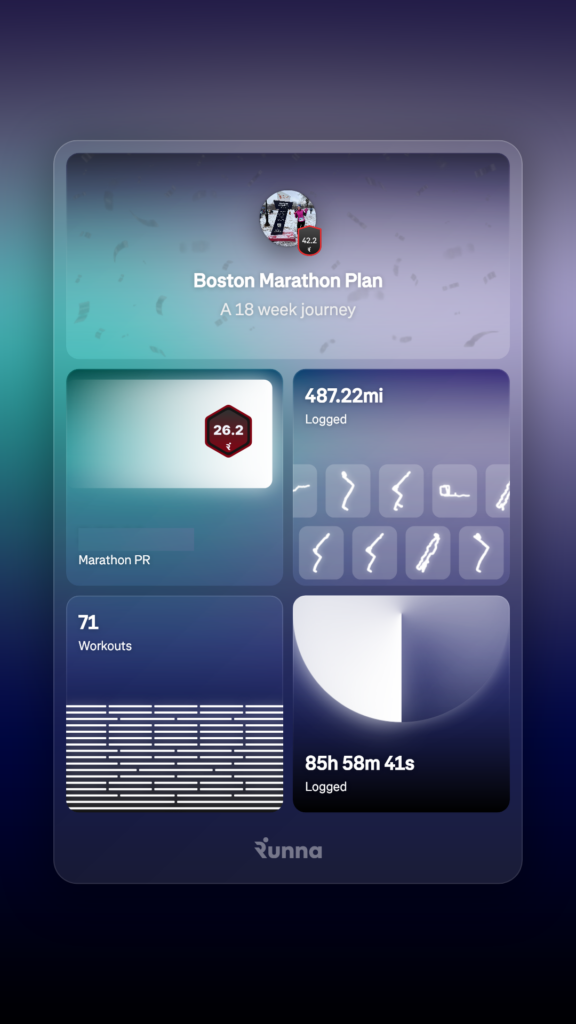
So I got to work! Despite running 16 marathons previously, I have only really trained for maybe one. This seemed like the time to change that. Thanks to some well-targeted marketing, Runna had been on my radar. I set up a plan.
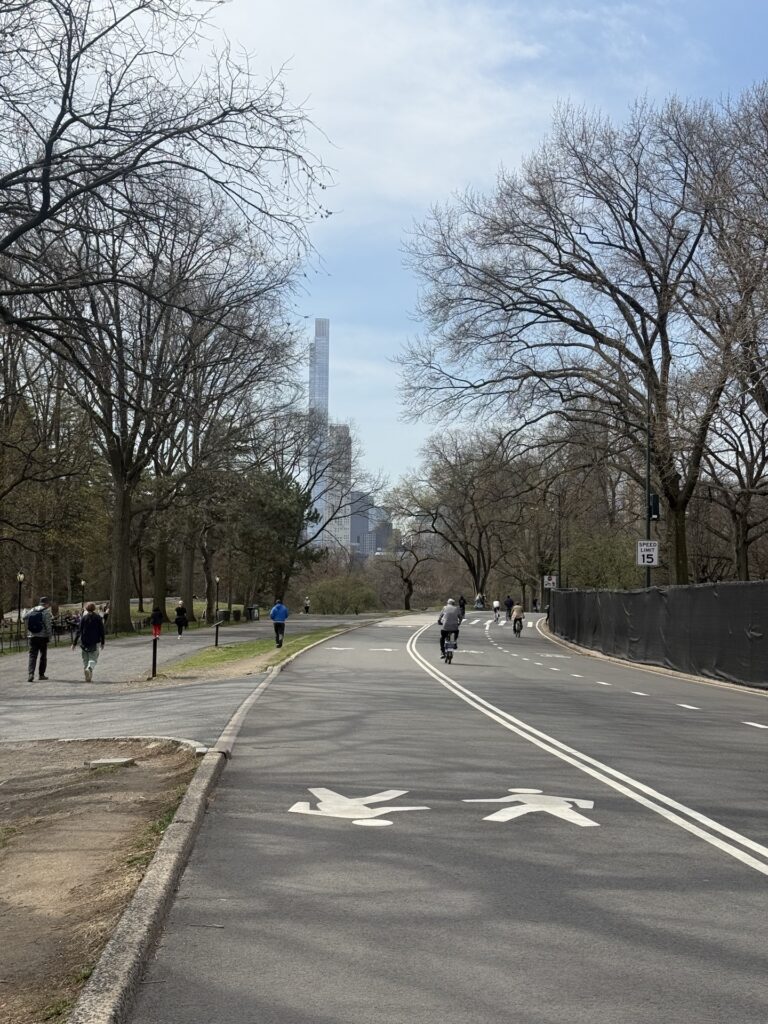
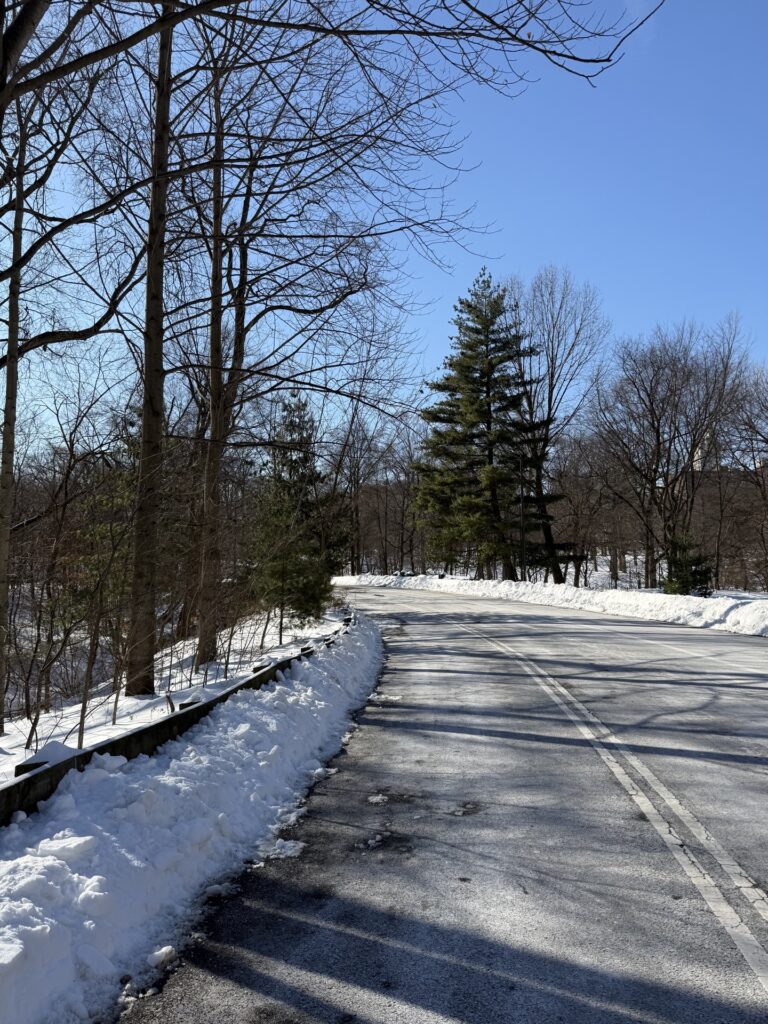
Runna worked really well for me! I loved the balance of speed workouts and easy runs, with weekly long runs. It was a lot of long runs — at least 14 miles most every single week — but that really paid off. The plan built up speed and distance gradually, so nothing felt overwhelming. Other than a few long runs when I missed my pace goal, I stayed on target for the full training plan.
Runna’s target marathon time was unhinged, though. I believed in the training plan, but no way were these 800m repeats going to magically shave 1 hour off my last marathon and 45 minutes off my PB. But I did the work anyway and trusted the process. It was surely going to help me come in at least a little under my best pace.
After my final training run the Thursday before Boston, I looked backed on my training. I had run 459 miles over 18 weeks. I didn’t miss a single workout, and even ran during two different family vacations. It was the long runs I was most proud of, because I was no longer scared of the distance. I actually felt comfortable in the 18+ range now. I was ready.
No matter how the race went, I would always have this training block to be proud of. That mattered to me.
Boston Marathon Packet Pickup
Race weekend had finally come. I was hydrating, following a pre-race meal plan, and masking up from all the people coughing on the Amtrak from NYC. Now I needed to pickup my bib.
The Boston Marathon Expo is held on Boylston at the John B. Hynes Veterans Memorial Convention Center. If Boylston sounds familiar, it’s because that’s where the marathon finishes. As I’m walking up to the expo, there it is: the most intimidating finish line in running.
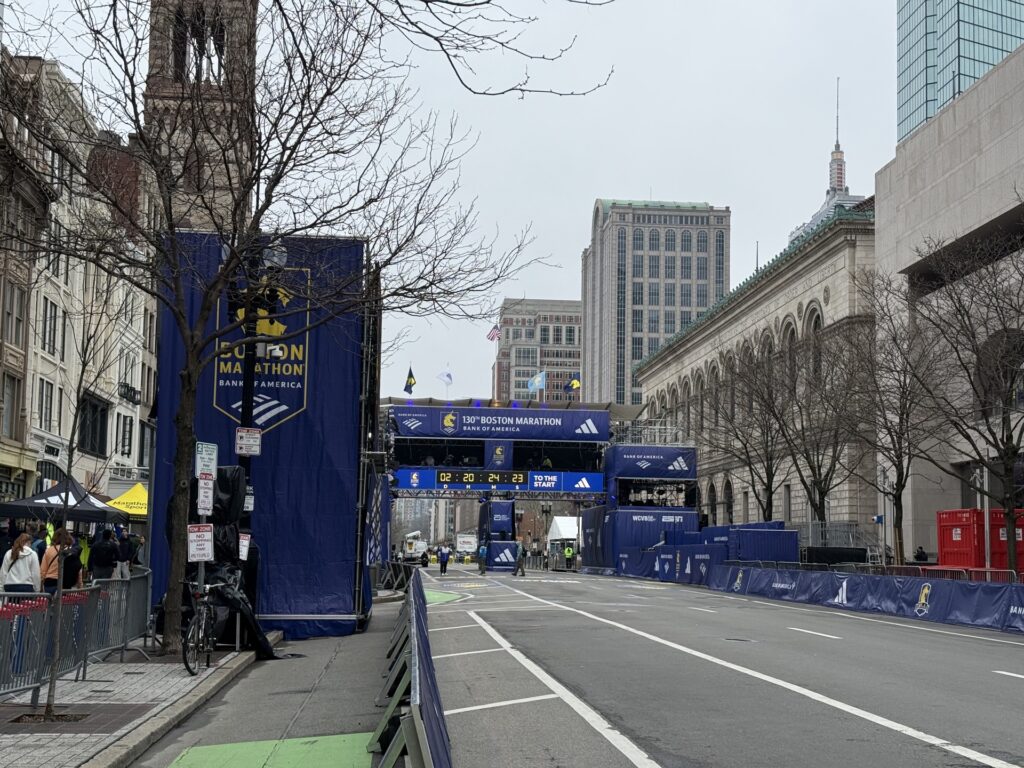
Everything Boston Marathon before the race for sacred. Seeing it in advance felt like getting a spoiler. Could I take a photo with the finish line before crossing it? I did, but then hurried right by. The more real everything was, the more nervous I became.
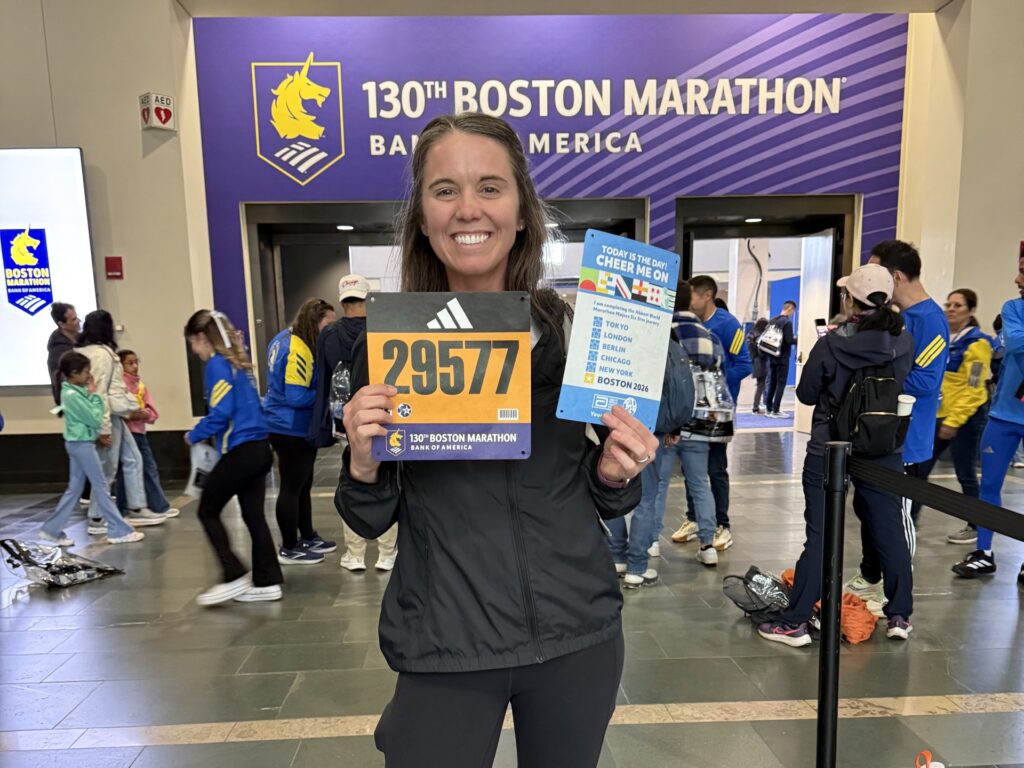
Bib pickup went smoothly. The queues were organized by wave, and there was no waiting when I arrived shortly after noon on Friday. I soon had my orange bib in hand, with the my special Six Star icon.
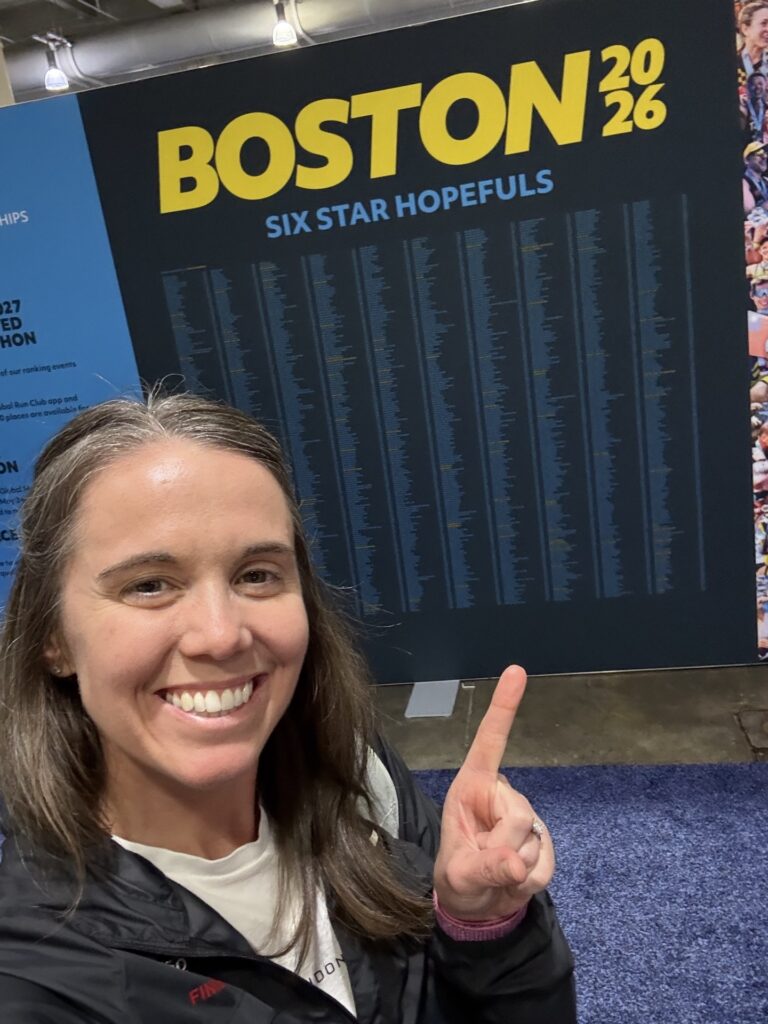
Tip! Go to the expo early Friday if you can. By late afternoon, the line had spilled outside and around the block!
Just beyond bib pickup was the official marathon merch. Another moment of intimidation. Could I buy the merch? Technically, sure, but could I wear it in good faith on runs around Central Park? Personally, I decided I couldn’t.
The rule I set for myself pre-race was that I could only buy non-running gear. Runners knew the implication. I decided that that streetwear would be acceptable, and limited myself to a single cotton T with the logo on the front and ‘Boston Marathon’ on the back. In the right setting, I felt like I could wear that.
Then there was the jacket … THE JACKET.
The Great Jacket Debate
The three-stripe, brightly colored, embroidered Boston Marathon Jacket is iconic. Since I started running, I knew what The Jacket meant. I have gawked at anyone wearing one and dreamed of what it’d be like to have my own one day.
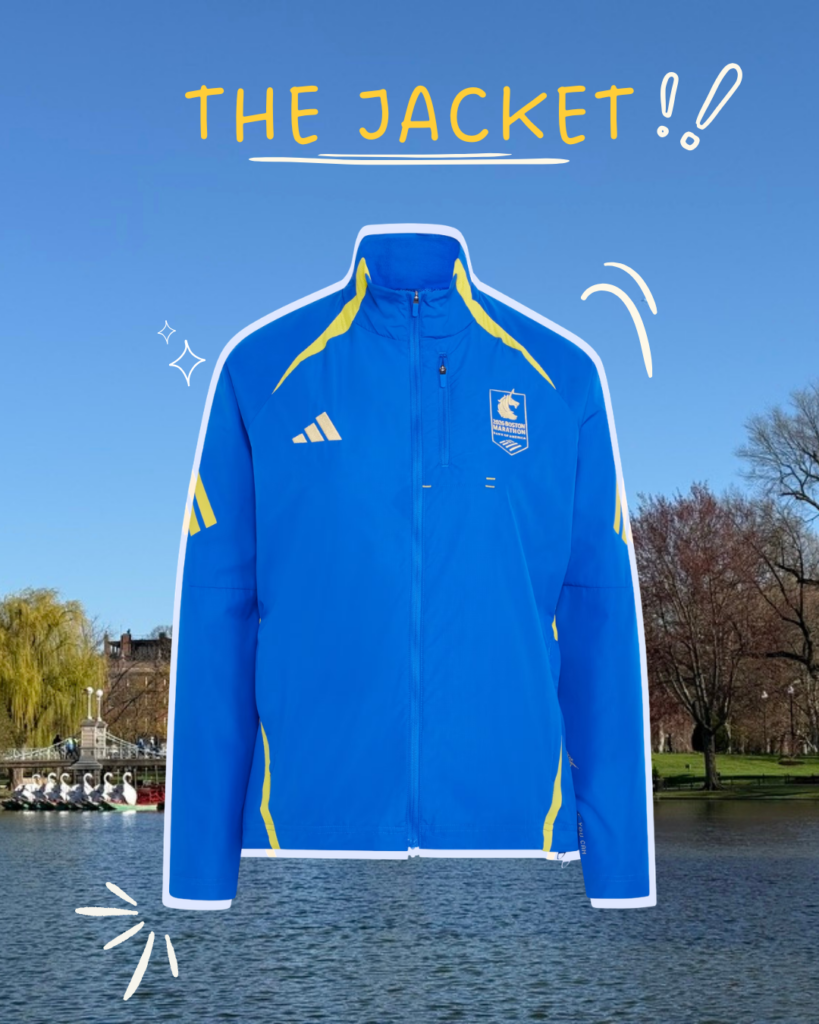
People have feelings about this jacket. There are entire articles written about the rules of The Jacket and there are cesspools on Reddit where people shame others for not wearing The Jacket “properly.”
On one end of the spectrum, you have people who believe it is a wearable resume. It is reserved for athletes who qualified for and ran the Boston Marathon. On the other end, you’ve got people who bought the jacket at TJ Maxx because they liked the colors. Somewhere in between, there are people who spectated the marathon, people who ran the Boston Marathon a previous year but liked this year’s design better, and people who ran the race without qualifying for it.
Prior to this race and reading more about Jacket Policy, I always believed the jacket had to be earned and assumed that everyone who wore the jacket had qualified. After scouring threads from real people and learning how many non-qualifiers, non-runners, etc wear that jacket, I have to say that some of that prestige has faded. (Which I guess is what the qualifiers were worried about all along.)
As soon as the jacket was released though, I knew I was going to buy it. It featured the classic blue and gold colors and brought back the high-quality stitching. I was gobsmacked. It was the only chance I was going to have to get a Boston Marathon jacket, and even if I never wore it, I needed it for posterity.
When it arrived, I was scared to touch it. Without opening it or trying it on, I immediately hid it under my bed and kept it there until race weekend. I brought it to the race and packed it in my gear check bag, and even then, it was hidden inside a sweatshirt.
I decided that if I did a good job — and only if I did a good job — I could wear the jacket immediately after the race. If nothing else, I could earn those 48 hours of post-Boston Marathon glow in my official Boston Marathon Jacket.
After that, it would probably go back to my closet with pretty strict rules for getting it out again.
Getting to Hopkinton with an Orange Bib
It was Marathon Monday and I was going to the start line. They lump all non-qualifiers together in the last wave, and you start to feel a little different very early on. “All bib colors except orange may proceed to the buses.” “All bib colors except orange may proceed to the starting line.” I was okay with that though. The faster runners should go before me.
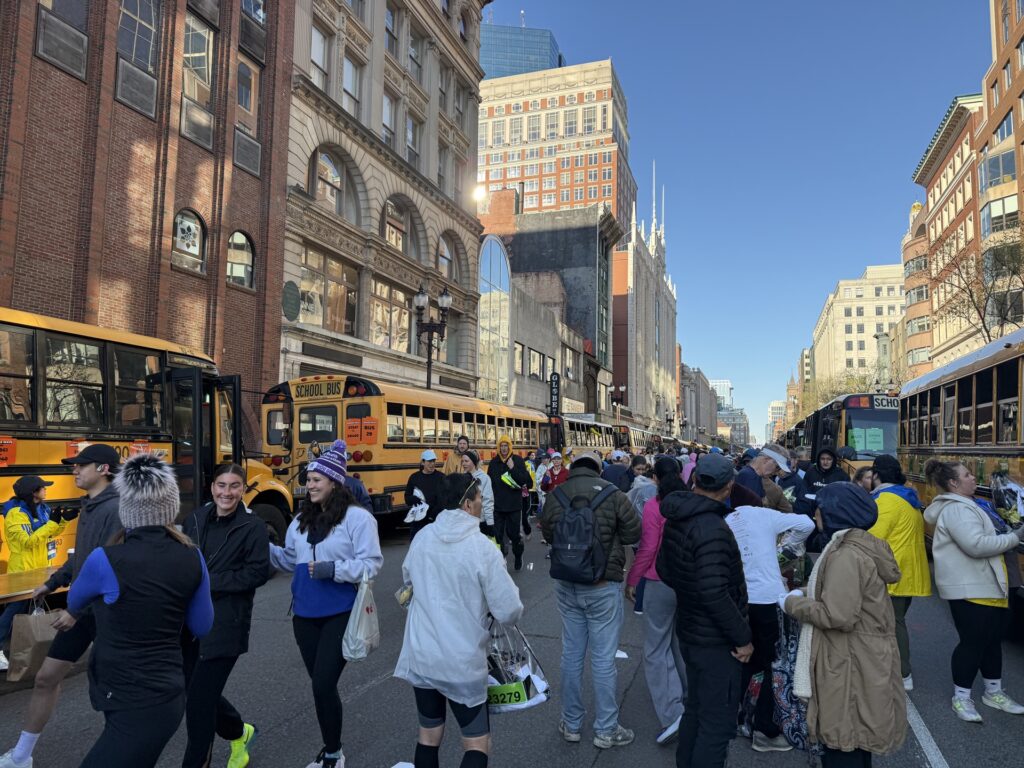
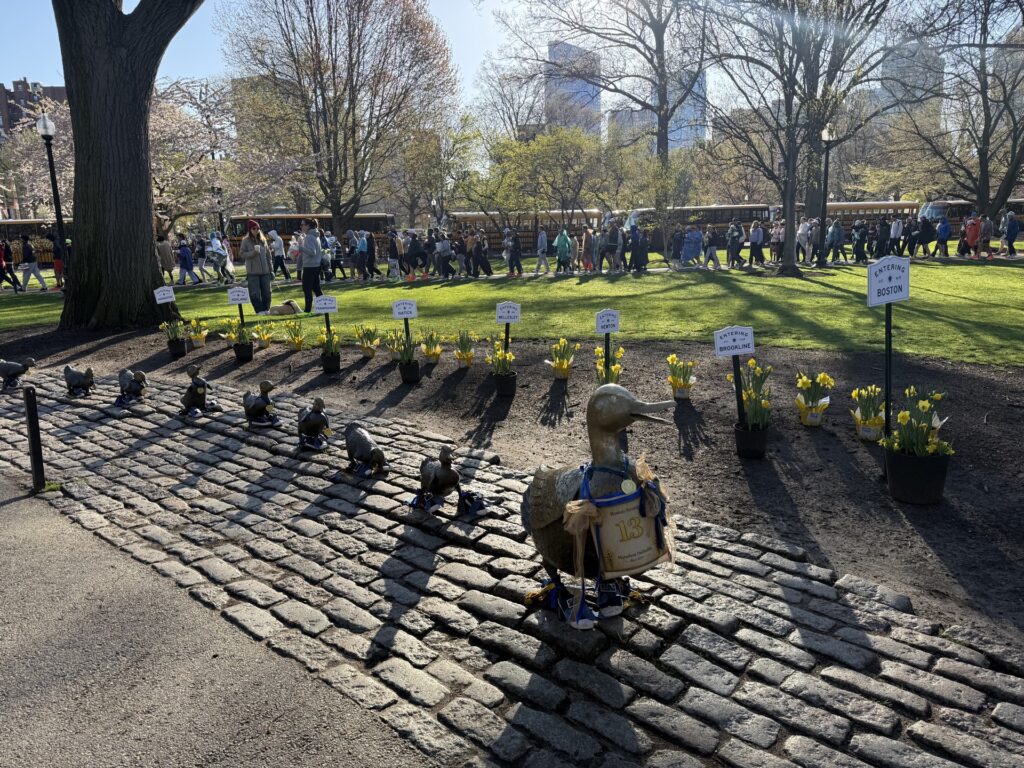
On race morning, there is gear check on Boylston, between the finish line and Public Garden. From gear check, you follow the queue to the buses between Public Garden and Boston Common.
The official participant guide said that Wave 6 could begin boarding buses at 9 AM, and the last bus would be at 9:30 AM. From Boston, it’s a 45- to 60-minute drive to Hopkinton. Wave 6 started at 11:21, and my corral (Corral 4) was scheduled to walk to the start at 10:40. This math didn’t check out for me.
I’ve taken shuttle buses to the NYC marathon twice now, and I knew for a fact that there was no way they were going to start Wave 6 boarding at 9 and be done by 9:30. Not a chance. And if the last bus didn’t actually depart at 9:30, the runners leaving after that were going to have a tight turnaround.
I was definitely right … I just wasn’t sure what to do about it.
Boston Marathon Morning Schedule
I arrived at gear check shortly before 8 AM. It took all of two minutes.
Note: Do people gear-check their Boston Marathon jackets? I was nervous to leave such an important and expensive item unattended. Since I had no spectators to bring it to me, I decided to risk it, and it turned out perfectly fine. I’d say do it if you’re on the fence.
At this time, they were only loading buses for waves 1 – 5. The lines for security into the bus boarding area stretched all the way through Public Garden and almost to gear check.
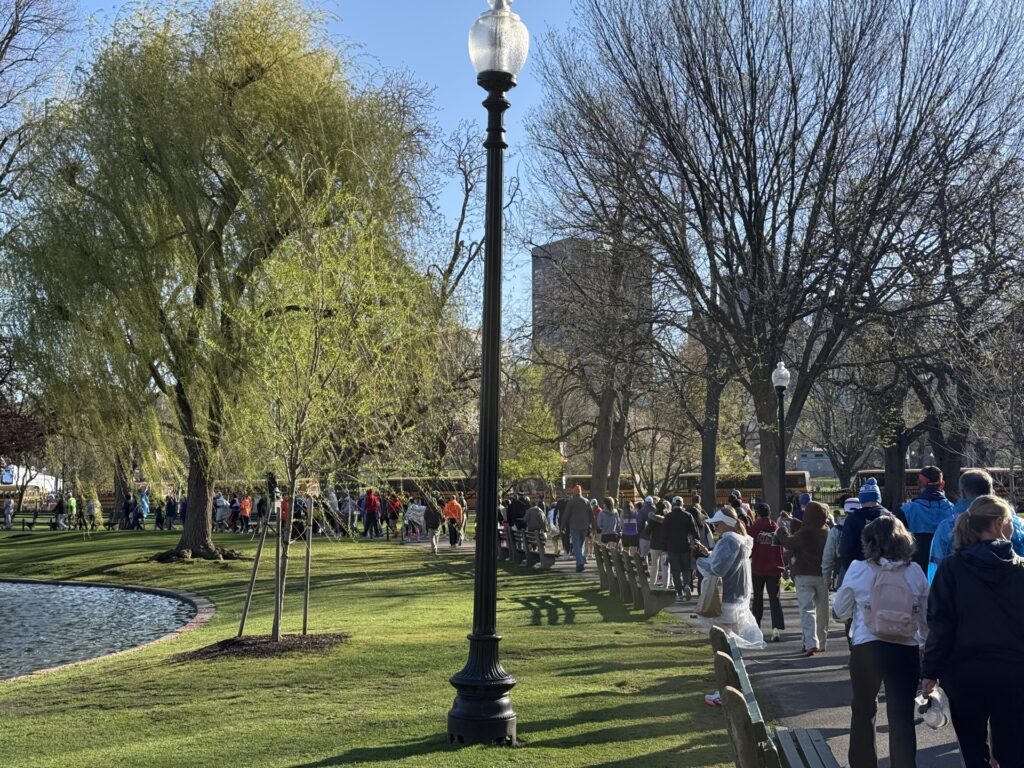
I figured I’d at least try to go to the bathroom. The bathroom signs all pointed to the bus queue, just passed security. I asked two separate volunteers if I could access these bathrooms with an orange bib, and both said yes. However, when I arrived at security at 8:15 AM, orange bibs were being strictly sent away and could not enter the area.
I did discover that there was a second set of Porta Potties outside of security on the northwest side of Boston Common. While I was over there, I discovered a cohort of fellow Orange Bibs who were also early for the buses. I’d highly recommend waiting over here for the quickest entry the second the bus queue opens to orange.
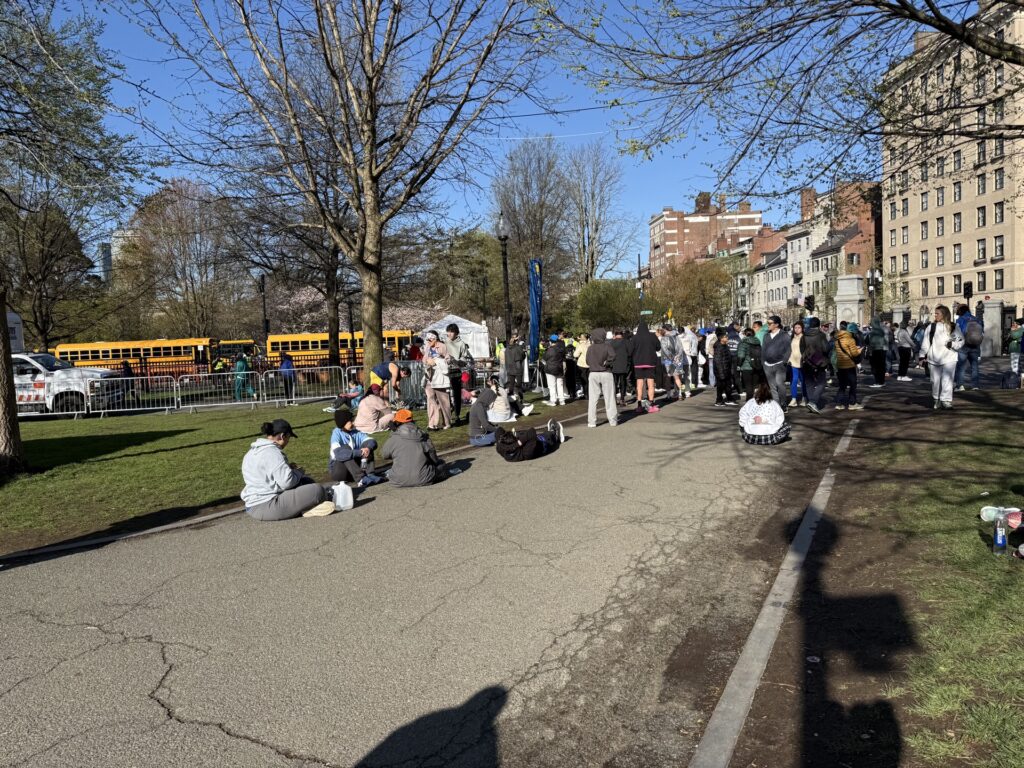
At 8:40, I stood up and hovered closer the security line. Then, at 8:45, the security staff announced that orange bibs could now enter and we all pounced. I was one of the first 50 or so people who entered the queue at that time.
There were bathrooms inside security before bus boarding, but I did not want to waste any more time. There was a swarm of orange bibs now and we all packed in.
It was honestly pretty chaotic. They released people onto Charles street in batches. From there, people flooded some loosely taped queues near each waiting bus. It took about 10 minutes for each bus to load, depart and the next to arrive. Despite being one of the first orange bibs to enter, I didn’t board a bus until 9:27. When my bus left, the crowded of people waiting stretched all the way back to the security entrance.
Read more! Apparently the buses in 2026 were uniquely chaotic. They tried to be hyper organized in the beginning, which took too long and ultimately backfired. People say it’s not always like this, but there were a lot of reports of awful experiences. This thread has a few horror stories.
Boston Marathon Athlete’s Village
I arrived at Athlete’s Village at 10:24. At this time, all waves except orange had been sent to the starting line.
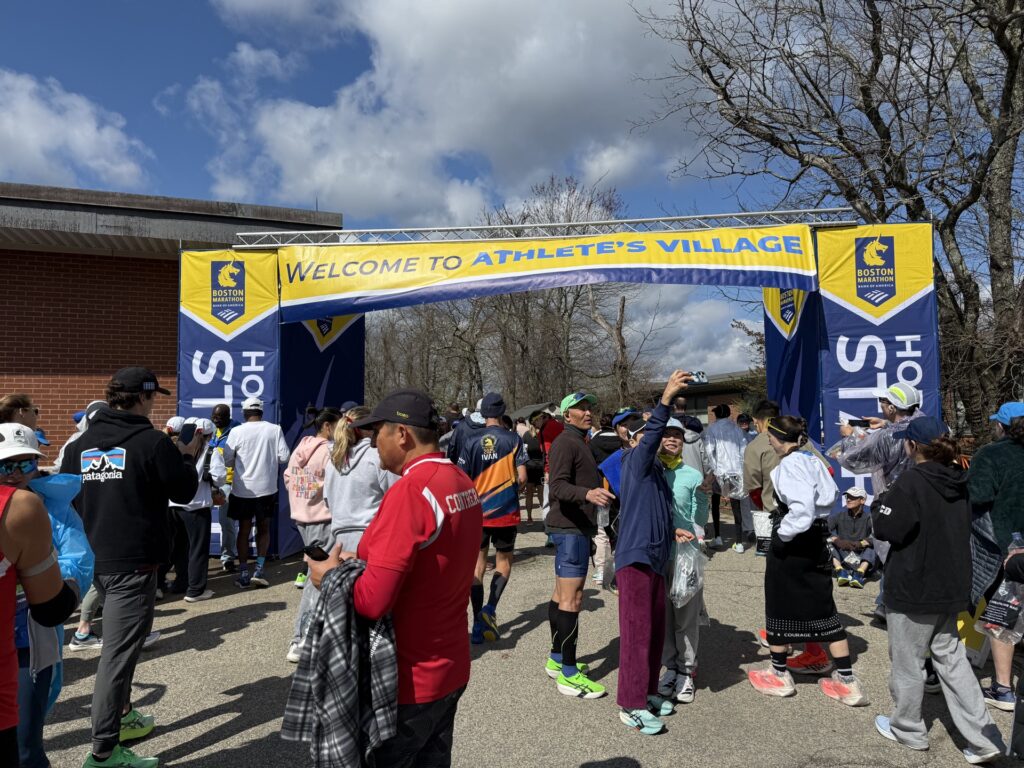
The village is pretty small, compared to New York’s anyway, and was not too crowded at the time. There was a bunch of Porta Potties, a large covered tent, and some open space where runners were resting and stretching. The bathroom lines were long at the nearby bathrooms, but the announcer pointed out that the ones back behind the tent had basically no wait.
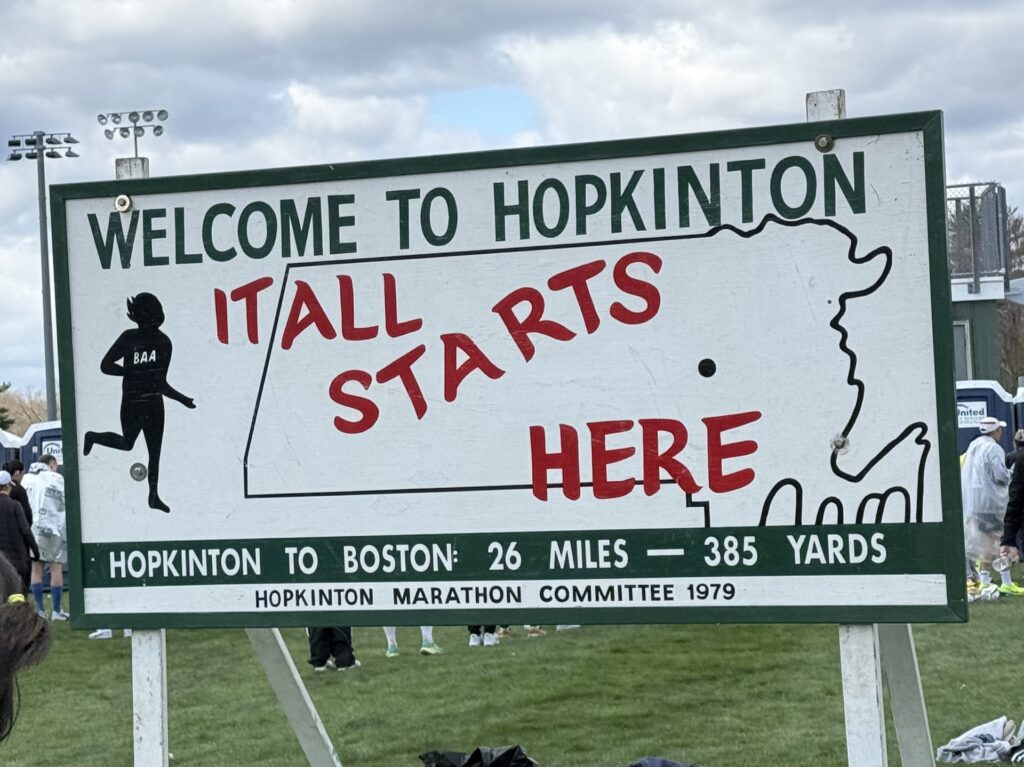
Despite a stressful and slow morning, I managed to make it to the village, go to the bathroom, and snap a quick photo of the Hopkinton “It all starts here” sign before they called the orange wave.
This announcer was the only BAA staff member who gave me a bit of an ick about being in Wave 6. He had so much hype and positive things to say for Wave 5, but he kept saying “Orange wave is mostly charity runners” and I didn’t care for his vibe. I was maybe being senstive though.
Walk to the Start
Just slightly behind schedule at about 10:45, they invited the Orange wave to start lining up in their corrals.
The first stop was a holding area by corral, just beyond Athlete’s Village. They released the corrals in order to start the walk over to the starting line. It’s a 0.7 mile walk but it flew by.
Shortly before the final turn onto the start, there was a final set of bathrooms. I got to these at about 11:10 and walked right into an unused stalled. (I was just stress peeing at this point.) There were short bathroom waits when I left thought.
Note: These bathrooms were not crowded for Wave 6, but I read that they were absolutely swamped for the earlier waves.
I ditched my sweatshirt here and walked right into my start corral at 11:13 AM. Wave 6 started right on time at 11:21 and I crossed the start mat about 4 minutes later.
Boston Marathon Wave 6 Start
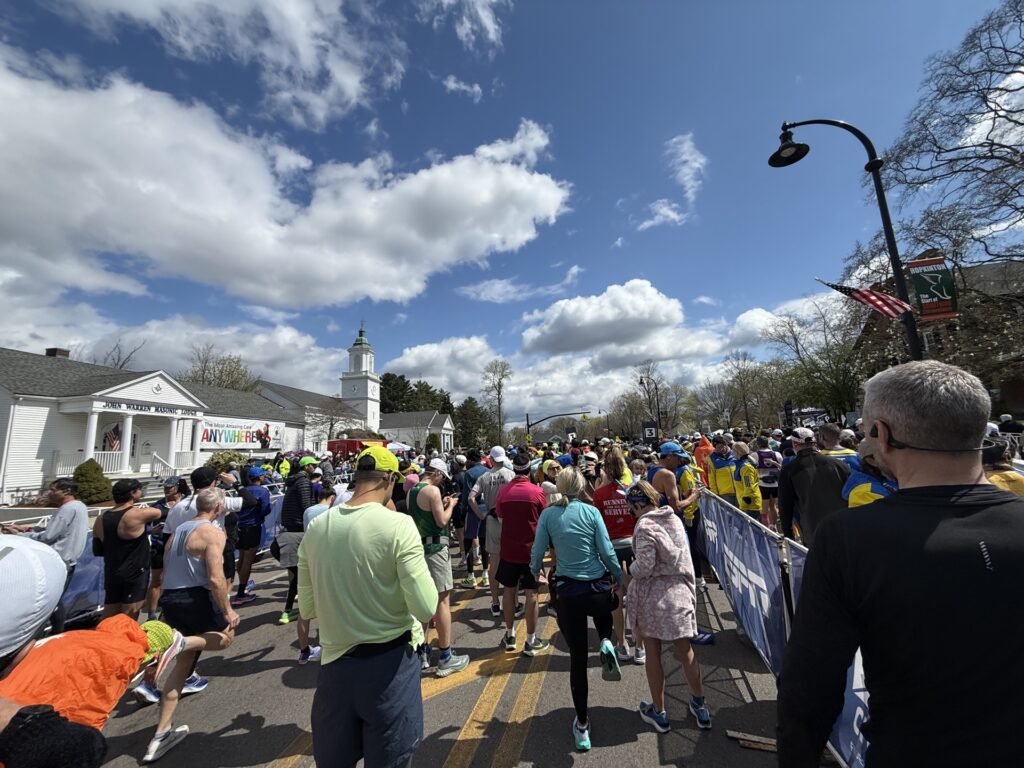
Wave 6 includes all non-qualifiers. Unlike the first fives waves, which are neatly organized by speed, the last wave is not organized by pace at all. They don’t accept your projected finish times and best I can tell, the corrals (except maybe corral 1) are all randomly assigned.
I’ve heard that the first few miles of the race is crowded for all waves, but they were extra congested in Wave 6. There is a huge spread in speeds within the wave, ranging from sub-4 pace to sub-6 pace. Many of the runners in this wave also use the run-walk method (no shade!), so we also had walkers right off the bat.
The first two miles are also downhill. I was warned not to go too fast in this section. Fortunately I didn’t have to worry about that, because I didn’t have much choice in my pace. For these first few miles, I really just had to follow the crowds.
Luckily, this paid off. I felt like I was going to slow, but I was actually already ahead of my pace. If the crowds were lighter, I would have almost certainly been too fast out of the gate, which may have come around to bite me later on.
Boston Marathon Course Energy from Wave 6
Everyone talks about the energy of the crowds on the course for the Boston Marathon, but I didn’t let myself get excited for that. I was starting an hour and a half after Wave 1, and would be reaching the big cheer sports 2 to 3 hours after the first runners started to come through. There was no way people would still be out there, still cheering for us “regular” runners at the back of the pack.
I have never been more happy to be more wrong. Oh the crowds were out there … they were definitely out there!
It’s possible that the crowds weren’t “as good” as they were a few hours earlier, but they were the loudest, most enthusiastic, earnest crowds I’d ever seen in a marathon.
The Boston Marathon crowds are different. For the first half at least, they tend to cluster around mile-markers. At every single mile, I was greeted with streets lined with rowdy crowds, several people deep, and it gave me something to look forward to every mile.
It’s also a very vocal crowd. In other races, there are more signs, more clapping, more noisemakers. But in Boston, it felt very personal. There was a lot more people audibly cheering, yelling, and talking to you individually as you ran by.
With each passing mile, the energy seemed to grow. After mile 12, I reached the famous Wellesley College “Scream Tunnel.” Even late in the race, it was the most epic thing I’d ever experienced in running. I ran that entire stretch, which had to be a full half mile of high-fiving, with the biggest smile plastered on my face.
By the time I reached the half, I thought I might burst from joy. It was electric. The crowds showed up and they stayed out for Wave 6 and man did it carry me through the hardest part of my race.
The miles almost melted away after that. Even Newton and it’s endless barrage of Hills couldn’t wipe the stupid grin off my face. The energy grew with every single mile and I just found myself in awe of it all.
The last five miles were honestly a blur. I was cooking it, well beyond my expected pace. I wanted to enjoy the race, which I had officially done, and now was the time to dig deep and go for that PR. This was the Boston Marathon and I had the finish line in my sights.
The landmarks come fast at the end, just like they said they would. I remember seeing the Boston city marker, then the Citgo sign. It was electric now and I took out my AirPod to soak it all in. My legs were like Jell-O but I pushed harder than I ever had before. The crowds were literally screaming my name, and carrying me to that finish line.
Right on Hereford. Left on Boylston. Finish line.
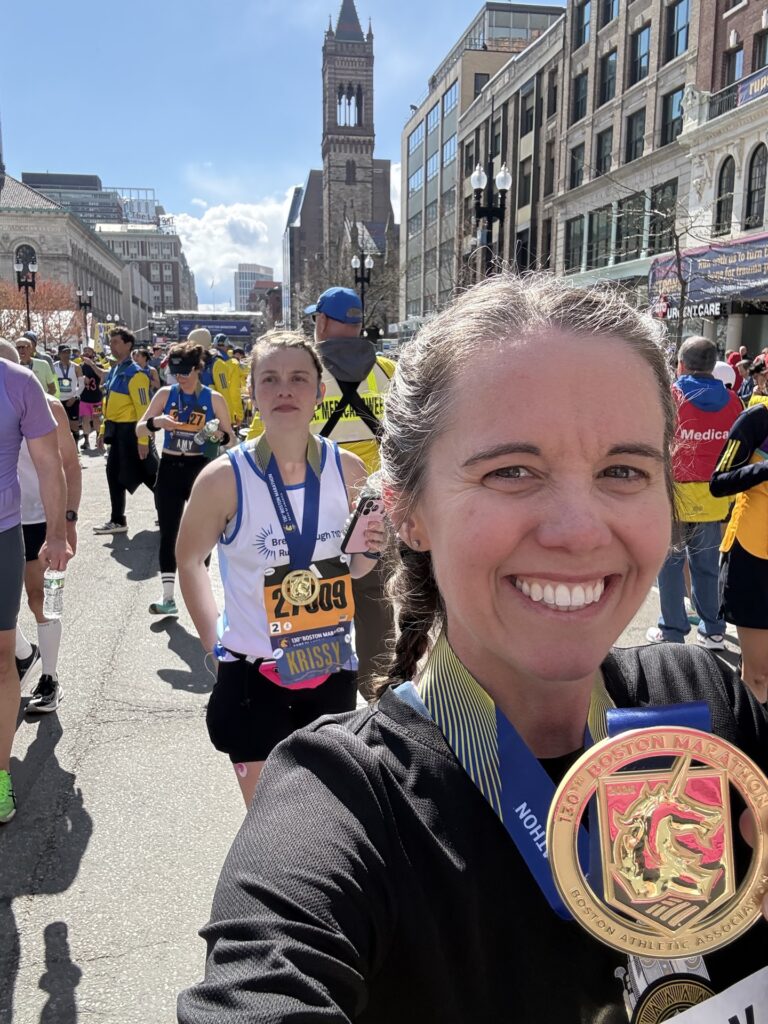
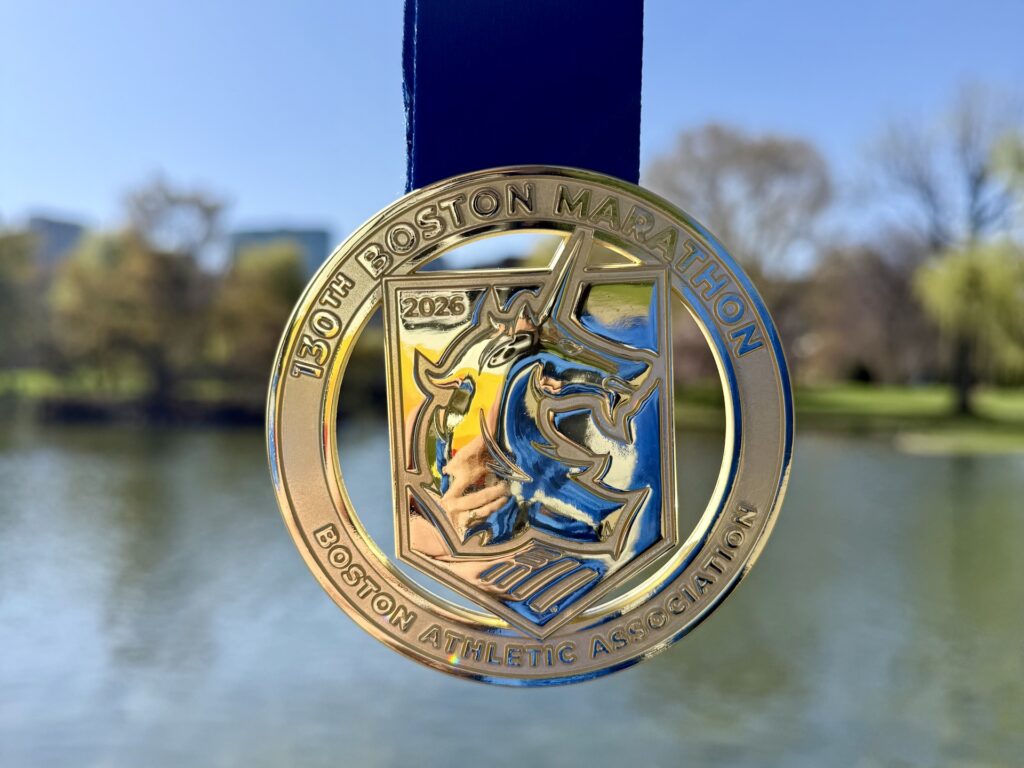
The Orange Wave gun time was running at the finish line, so I knew I’d beat my goal. A little later, I looked up my official time. I beat my goal by 14 minutes, and shattered my PB (set 8 years ago) by over 36 minutes. Maybe Runna’s projection wasn’t so unhinged after all.
I finished at 3:25 PM. I can confirm that through that time, the fan support along the course was still greater than anything I’ve ever experienced in running. They were right. Boston is special … even for Wave 6.
Receiving my Six Star Medal at the Boston Marathon
After I danced my way across the finish line, I staggered through the aid tables. I got my water, miniature gatorade and goodie bag. A kind woman put a medal around my neck. I thanked her for being out there, to which she replied, “It’s my favorite day of the year!”
Before I got to gear check, I saw it. The blue Abbott tent and vests were just where they said they’d be. Like most of the day, it just didn’t feel real. I didn’t let myself get excited about the Six Star medal, because I didn’t want to jinx it. What if I got sick and couldn’t run? What if I fell and broke my leg on the course? The finish line closes at 5:30 … what if I finished at 5:30:01?
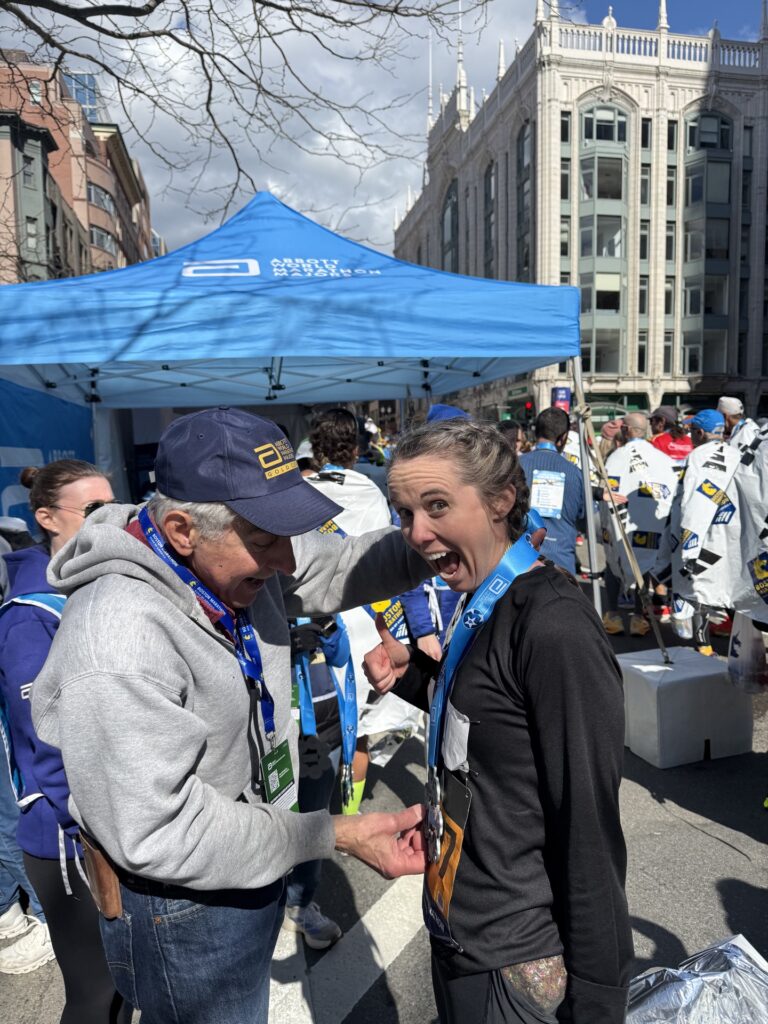
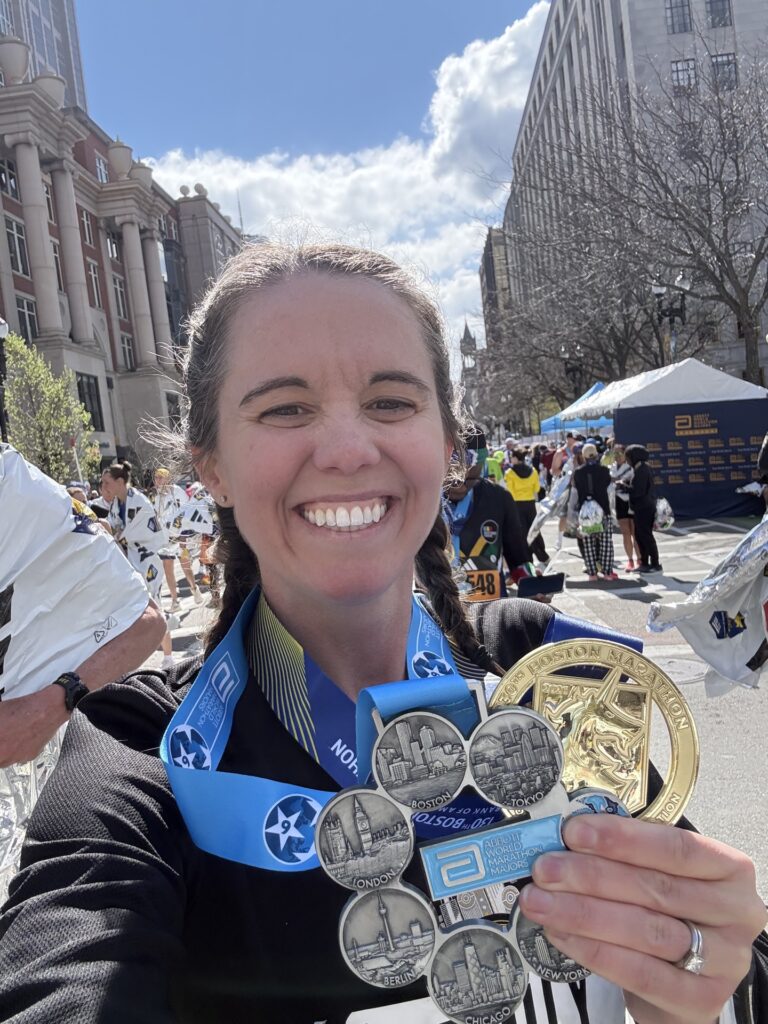
In a salt-soaked haze, I chatted with a fellow New Yorker, also getting his Six Star. We swapped cameras and snapped photos for each other. The nicest man put a giant medal around my neck and scribbled on the Six Star logo on my bib.
And there — just beyond the most impressive finish line I’ll ever cross — I marked the completion of an 11-year journey to Six Stars.
Boston Marathon Post-Race Experience
After the aid stations and Six Star medal distribution, runners are funneled right to the gear check areas.
The walk from the finish line to gear check is unbelievably short at Boston. Unlike the New York City Marathon where you have to walk almost a full mile to exit the park, Boston has you out in just a couple short blocks. There was no wait at any gear check area, and I quickly had my bag.
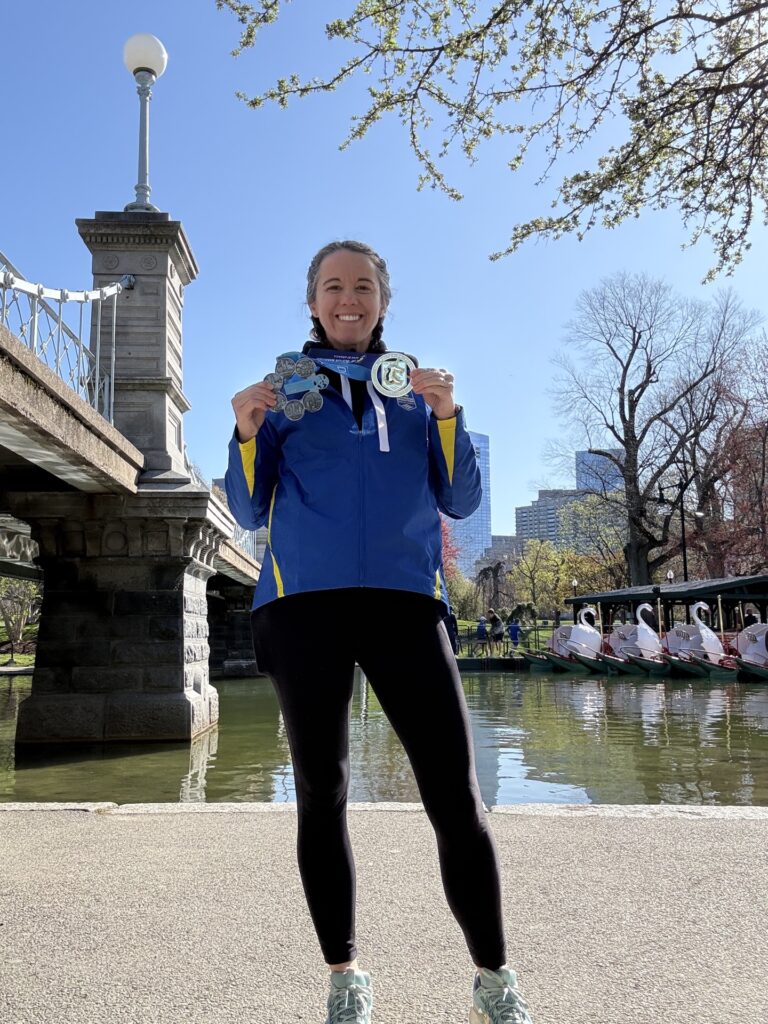
Public Garden is just past gear check, and is the closest place for runners to immediately sit down. Runners and reunited families dotted the grounds, the swan boats were running, and street musicians were playing nearby. It was a real vibe.
I didn’t check my official time yet, but I knew I busted my PR wide open. That was good enough for me. (My official results later confirmed I came in 36:05 under my PR and 14 minutes under my goal.)
I finally tore the plastic off The Jacket and put that puppy on. I didn’t know how often I’d get to wear The Jacket, but I knew for sure that I had earned the right to wear it every single minute of race day.
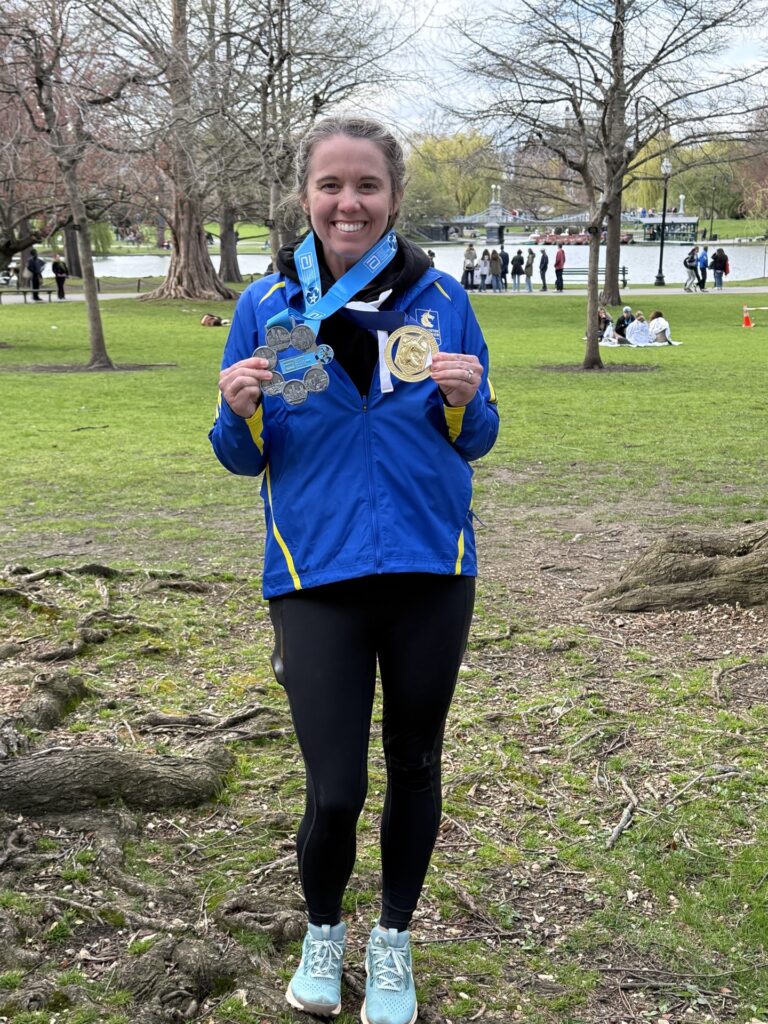
After about an hour in the park — most of which I spent chatting with my parents on the phone about how much fun I’d had — I decided to head to the Mile 27 Post-Race Party.
The Post-Race Party is at City Hall Plaza, which was a bit of a hike (about 0.7 miles) from the finisher area and Public Garden. Tickets are required and cost $10. There are a few sponsor booths, a Sam Adams beer tent, and a main stage with a few musical performances, among other things. A major draw was medal engraving, but the line was really long by the time I got there.
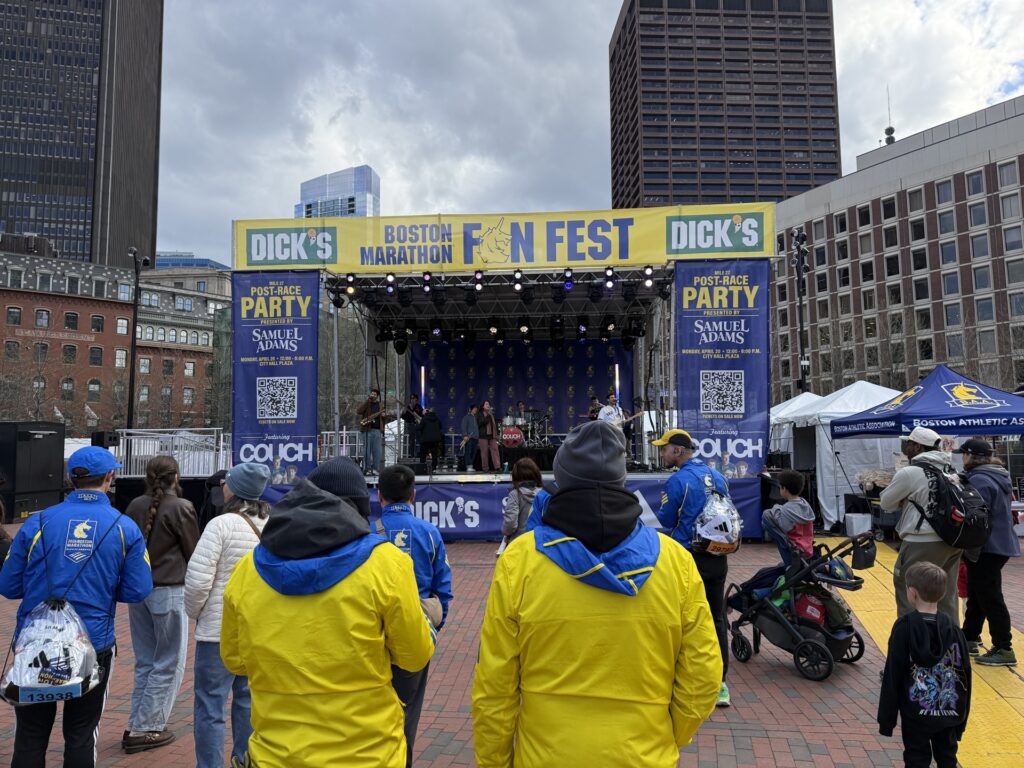
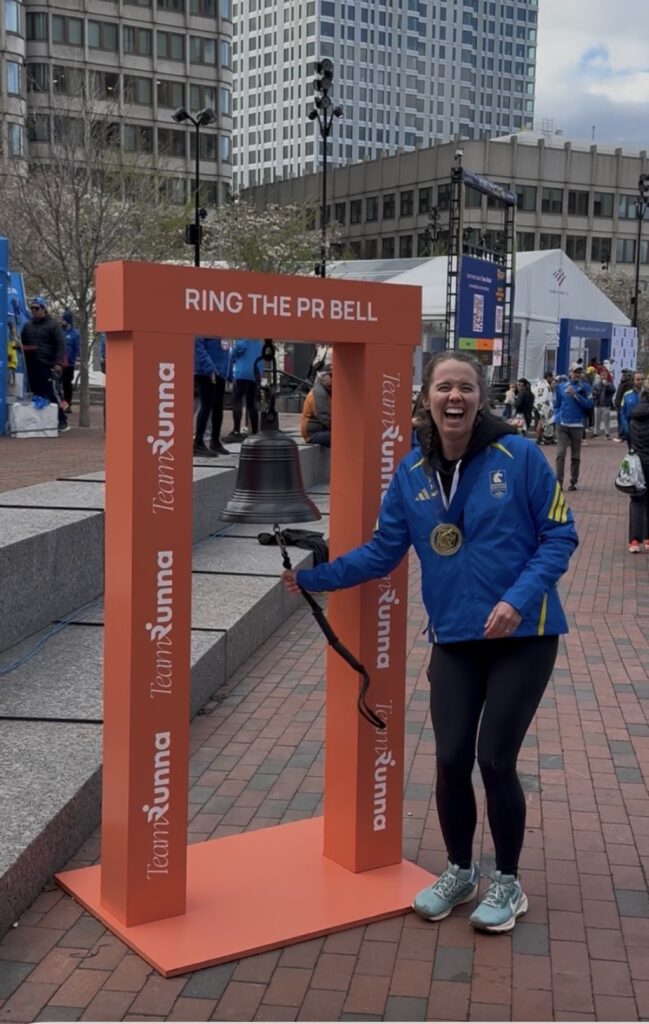
Personally, I thought the Post-Race Party was pretty lackluster. I expected there to be more food options, but there was only one pizza food truck and Impossible samples. The sponsor booths were awkwardly placed in the back, and no one was going to them. Maybe because the headliner wasn’t on yet, but the vibes were just off and energy was low. I had one beer, rang the Runner PR bell, and left.
From City Hall Plaza, it was a one-mile walk back to my hotel. I showered before heading across the street for a well-earned margarita and oversized basket of chips and salsa.
Reflections of a Wave 6 Boston Marathon “Unqualified” Finisher
This race was perfect.
I controlled the things I could control, from training, to pre-race nutrition and sleep, to hydration and fueling. The things I couldn’t control — like the weather, late-race course crowds, and bus transportation — fortunately all worked out in my favor. The result was a perfect run on a perfect day through a bunch of perfect towns. I will always cherish the magical memories I got to make on the streets to Boston.
If this was any other marathon, I would leave it at that. But because it’s Boston, a race that comes with so much hype and prestige, I have to address the feelings and experiences that come with being in Wave 6.
The short answer is that running in Wave 6 without a Boston Qualifying time did not make me feel like any less of a finisher. Any feelings of guilt, doubt or inadequacy were entirely self-inflicted.
The real people I met were so supportive. I chatted with qualifiers before, during and after the race, and none of them flinched when I said I was lottery winner. If anything, they were surprised that such a route into Boston existed, and a few told me to buy a lotto ticket. They never made me feel like I didn’t belong at that race, and were all very congratulatory of my PR and Six Star. In real life, no one ever made me question the legitimacy of my finish.
Then there is the guilt. Shortly after I registered for my lottery spot, BAA announced the accepted qualifiers. In 2026, the entry cutoff was 4 minutes and 34 seconds faster than the qualifying times. There were 8,887 runners who ran Boston-qualifying times, and still weren’t accepted. One of them was my friend’s dad, who has been working to qualify for years. How is it fair that I get to run the race and all of these fast people don’t?
It’s easy to make the mistake of thinking that if it weren’t for Wave 6, and the charity runners, and lottery winners, and tour groups, that those 8,000 qualified runners could have run. That’s simply not true.
When I go down that path, I remind myself that the Boston Marathon Association created these paths to entry for runners who do not qualify by time. This was not a cheat code. The B.A.A. has chosen to commit about 20% of the field annually to other types of runners. We cannot blame runners who participate in the Boston Marathon through channels endorsed by the organization itself.
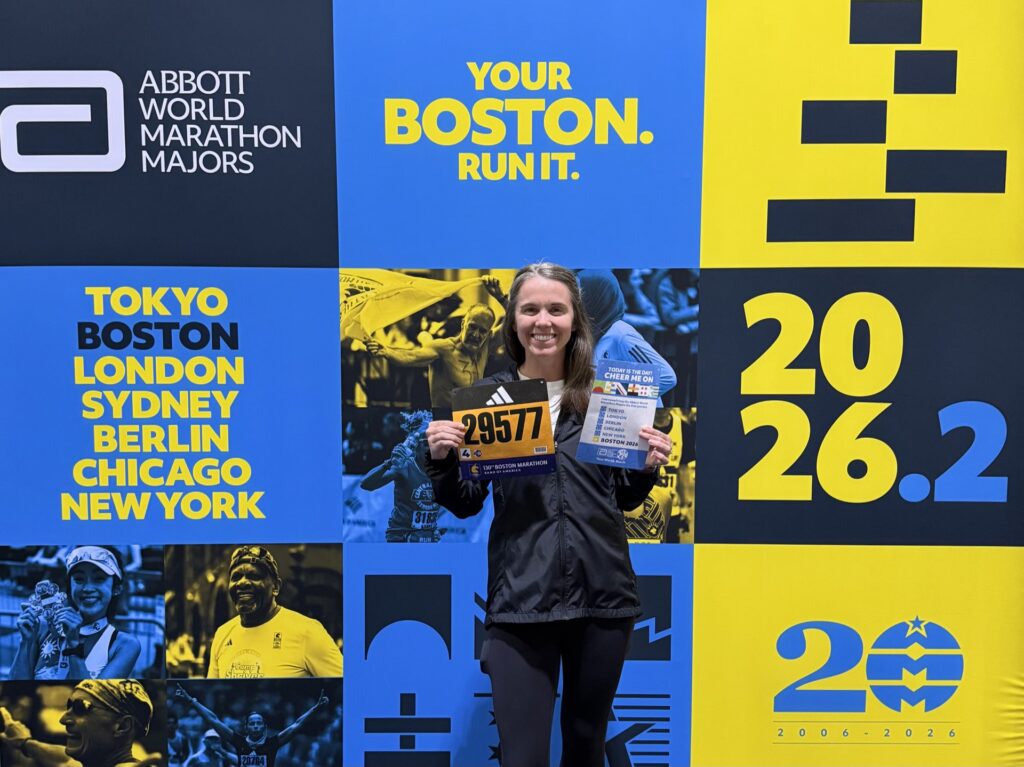
When I arrived in Boston for packet pickup and first saw that finish line, I texted my best friend, “I’m going to barf. I’ve never been more intimidated by a finish line in my life.” Every moment after that, though, I felt more comfortable.
Other runners saw my orange bib, and they congratulated me anyway. I told a fellow finisher at a bar about my PR, and she cheered for me as if I’d won the entire race. The crowds lining the street didn’t go home when they saw those orange bibs; they kept screaming for us. I spent so much time worrying about feeling sub-par, when in reality, I was embraced with open arms.
There will always be purists who insist that Boston must be earned and trolls on social media who will say mean things. All I can say is that I try not to read that content. I have nothing but respect for runners who qualified. I also don’t think Wave 6 existing takes anything away from their Wave 1 accomplishments.
Tips for Boston Marathon Wave 6 Runners
- Go to the expo early. This applies to every wave. The lines for bib pickup can get really long. If you have the flexibility to go Friday morning/early afternoon, you can beat those crowds and have a more relaxing and enjoyable time.
- Jackets are easy to come by. Jackets usually go on sale in December on Adidas, and they’re typically available in most sizes through race week. They are also abundant at the expo and down the street at Dick’s. If you want a jacket, you can usually get one pretty easily on race weekend.
- Arrive at the bus queue at least 20 minutes early. In 2026, security did not let Orange bibs enter the bus queue until 15 minutes before the scheduled time. Getting there much earlier than that won’t do you much good, but you definitely want to be there right when they start letting people in.
- Wait on the Boston Common side for quicker entry. Everyone is coming from gear check and approaching the queue from Public Garden. A line quickly forms on that side. The Boston Common side is much less crowded, so you can enter as soon as they allow Orange bibs.
- Put your name on your bib. There is no better race to have your name on your bib than at Boston, where the fans will SCREAM it. I felt like a celebrity on that course! I didn’t have any friends or family on the course, but I sure felt like i had my own personal hype squad cheering me on. I picked up a Pen & Paces name bib kit at the NYC Marathon expo a few months before Boston, and it was perfect.
- Soak it in. If you’re a Wave 6 runner, there’s a chance this could be your only Boston Marathon. Enjoy it. If your run ends up going poorly, pivot, and just enjoy the vibes. Do whatever you can to appreciate the energy. I had a bad run at the London Marathon and I let it ruin my experience, and I will always regret that. Take out your AirPods the last mile (or whole race?), high five every kid, and read every sign.
- Skip the Post-Race Party and hang in the park. I thought the post-race party was pretty awkward and lame. I had way more fun sitting in Public Garden, just past the finish line, with all the other runners.
- Gear check your jacket. I was nervous to gear check my jacket, but tons of people did it. At Boston, you can watch your gear bag go into the bus for storage, and that bus does not move until you pick it up after. It’s a pretty safe bet. If you don’t have people at the finish line, it’s the best way to rep that jacket right away.
- Eat at Tatte. This is a local-ish chain bakery and cafe, but it is perfect for pre-race fuel meals and post-race indulgent treats. It’s a Boston favorite for me, and I went there 3 times during my short marathon trip.
- Book travel early. I won the race draw before the Boston Qualifier announcement was made, and was able to book Amtrak tickets for a fairly reasonable price. Once the qualifiers were notified, those tickets shot up quickly. If you can book a refundable fare early, you might save a few bucks.
- Prepare for hotel sticker shock. While transit tickets may vary, the hotels know exactly when the marathon is every year and their nightly rates reflect it. Hotels in central Boston will cost $500-$1000+ a night, easily.
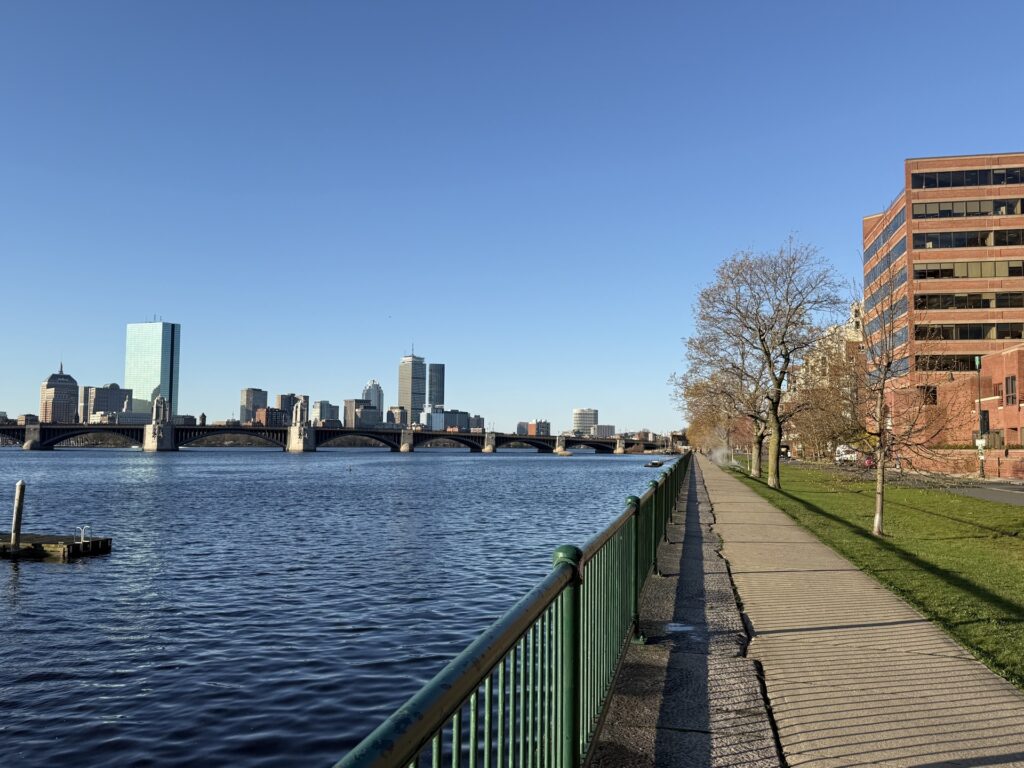
Tip! I personally stayed across the river in Cambridge at the Royal Sonesta. I paid about $400/night, which felt like a steal. It was pretty lovely 1.2 mile stroll across the Longfellow Bridge and through Beacon Hill to Boston Common, but there’s also a train option. The walk felt a little long after the race, but overall it was perfect.
So … what about that jacket?
In hindsight, I’m certainly glad I bought the jacket. The race ended up meaning a lot to me, and I’m glad I have a physical reminder of it. Even if I never wear the jacket again, every time I see it in my closet, I’ll remember that time I did something really hard.
When I catch a glimpse of those stripes in the back of my closet, I’ll remember the weeks of training: the seemingly endless laps around Central Park, the speed work around the track, and cranking up the incline on the treadmill higher than I thought it could go. I’ll remember how it felt to hear the crowds scream my name, to make the turn onto Boylston, and cross that finish line with a PR that I never imagined in my wildest dreams. Most importantly, I’ll look at that jacket and remember the joy I found in running, which has not always been my relationship with the sport.
It turns out my anxiety over The Jacket is just a metaphor for my feelings on the race itself. A race that I always saw as this external validation of success, turned out to be the race that brought me the most internal validation of success. I am so proud of that race, and I want to keep those feelings pure.
To me, The Jacket represents what we can accomplish when we try. Unfortunately, it doesn’t say that on the back of the jacket. To much of the running community, it still implies speed.
So while I’m happy I have the jacket, I am not sure how often I’ll wear it. I will almost certainly avoid wearing it in a running setting. Not because I don’t think I earned it, but because I want to avoid running into to a Sub-3 Chad asking what my time was and then hearing his unsolicited feedback about it. Maybe I’ll put it out when the weather is just right or I am feeling a little discouraged, but it probably won’t be in the regular rotation. And that’s okay.
I wore The Jacket proudly on the train home from Boston. Then took it off on my walk home. That felt right for now. But who knows … I always said I’d never run Boston unless I qualified, and yet, here we are.
What do you think?
These are my feelings about The Jacket and the race in general, and I’m still working through them. I’m constantly wavering between intense pride at myself and feeling like a total poser.
At the risk of inviting negative comments (please be kind), I’d love to hear your thoughts. Have you run in Wave 6? How did you handle these feelings? If you ran in earlier waves, what are your thoughts?
I’d also like to say on record that I would not judge anyone for wearing The Jacket, regardless of how you got there! If you’re a Wave Sixer who has turned that Jacket into your entire identity, GOOD FOR YOU! Do not let my second guessing stop you!
Read More About Running
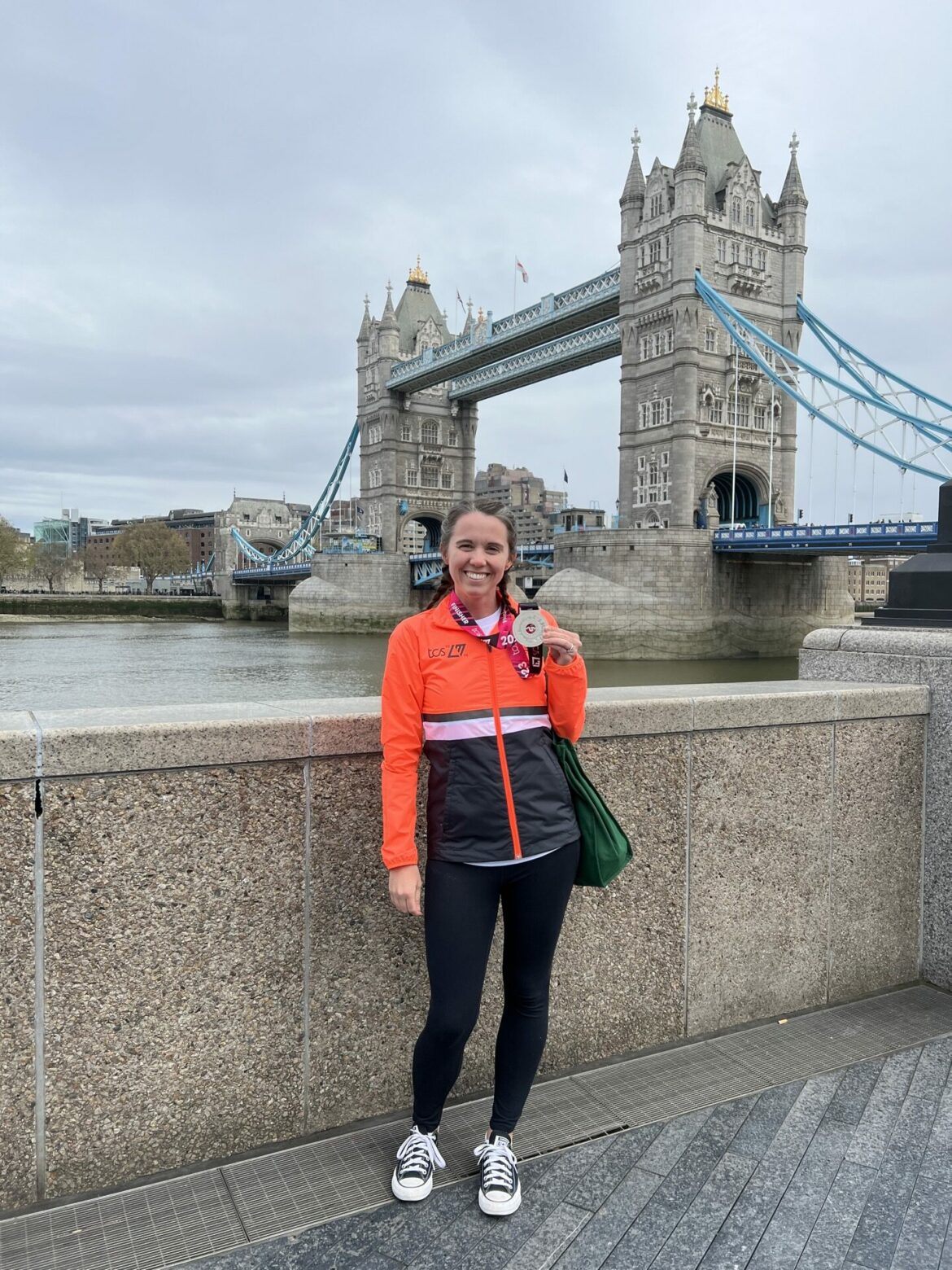
I’ve also written about my experience running the London and Chicago Marathon. If you’re running either of those races, be sure to check that out.
Leave a Reply